

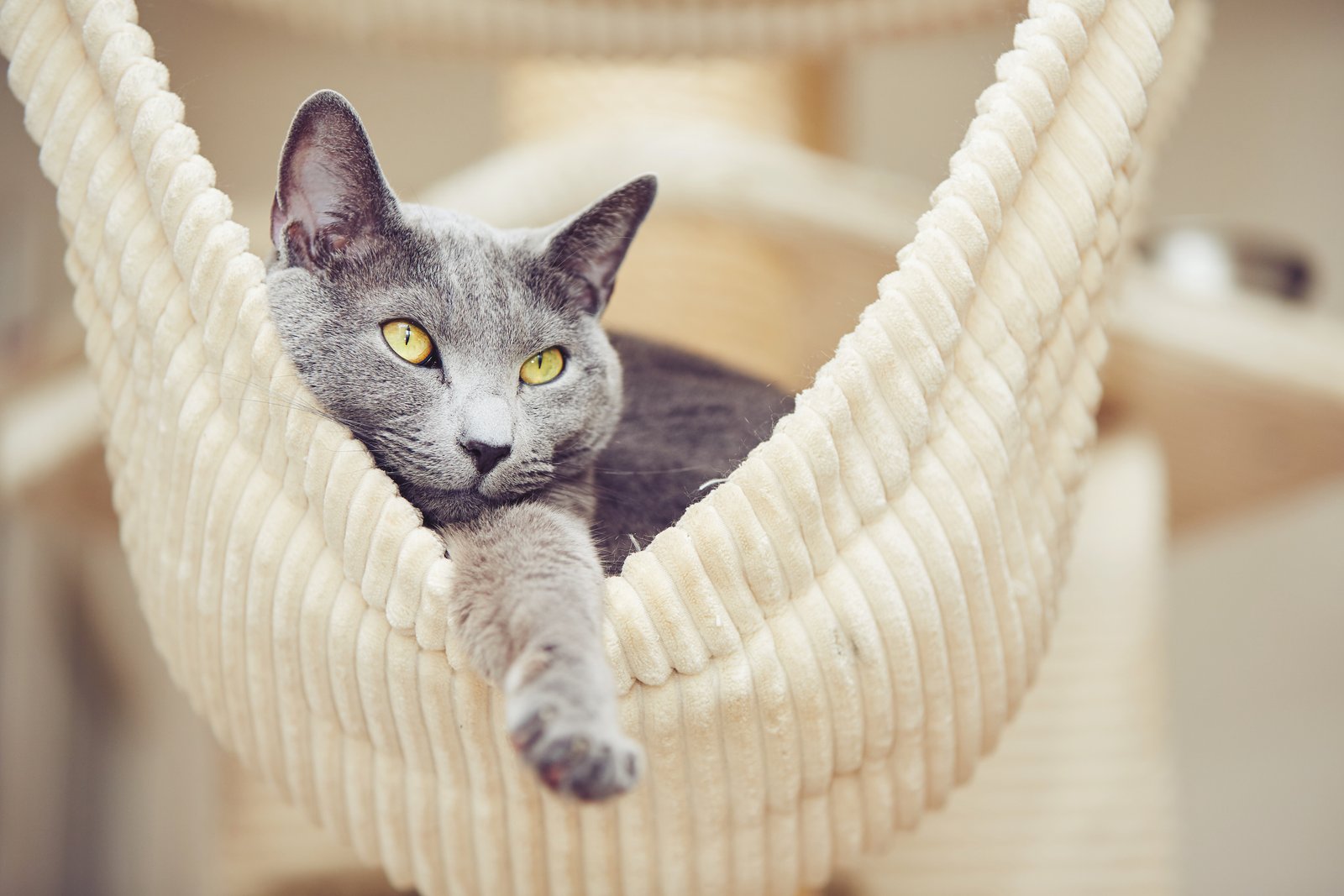
Cats rarely announce when something hurts. A dog with a sore hip will often limp across the room, but a cat with the same problem tends to simply do less. It jumps onto the counter less often, spends more time on the floor instead of the windowsill, and settles into naps rather than chasing a toy across the living room. These changes can look like a cat simply getting older or getting lazier, when what is actually happening is joint pain that has been building for months or even years.
Our team at Bluewater Animal Health Center watches for these quieter signals as part of every wellness visit, and we weave mobility and comfort care into how we treat cats as they age. Recognizing arthritis early gives us more options for keeping a cat comfortable, which is why we encourage owners to bring up any change in activity, no matter how small it seems.
Why Arthritis in Cats Is Easy to Miss
Unlike dogs, cats are built to hide discomfort. Their small size and natural agility let them compensate for joint pain in ways that are not always obvious to an owner watching from across the room. According to the U.S. Food and Drug Administration, cats with osteoarthritis are more likely to stop jumping altogether than to limp, and many owners never notice a change in their cat’s gait at all.
This is part of why arthritis in cats has historically been underdiagnosed compared with dogs. A cat that quietly stops leaping onto the bed is often assumed to be choosing comfort over habit, not managing pain. Add to that a cat’s general dislike of being handled during an exam, and it becomes easy for even a careful owner to miss the early stages of joint disease.
What a Diagnosis Actually Involves
Diagnosing arthritis in cats also takes more than a single office visit. A physical exam can reveal swelling or reduced range of motion in a joint, but the changes visible on an X-ray do not always match how much pain a cat is actually feeling. That’s why what you observe at home carries so much weight. Notes on when a cat hesitates before a jump or which perches it has quietly given up on help fill in a picture that a single exam cannot capture on its own.
Signs Owners Often Miss
Because cats mask pain so well, owners are usually the first to notice subtle shifts in behavior at home, long before a limp would ever appear. The following changes are worth mentioning at your cat’s next visit:
- Hesitating before jumping up to a favorite window or counter
- Sleeping in lower, easier-to-reach spots instead of higher perches
- Grooming less, especially along the back and hindquarters
- Missing the litter box because getting in or out has become uncomfortable
- A change in mood, such as becoming quieter or more irritable when picked up
Any one of these changes on its own might seem minor, but together they often point toward joint pain that deserves a closer look.
Supporting a Comfortable and Active Life
Once arthritis is identified, the goal becomes slowing its progress and keeping a cat as comfortable and mobile as possible. This can include weight management for cats carrying extra pounds, as added weight places more strain on already sore joints, along with simple home adjustments like low-sided litter boxes, ramps to favorite resting spots, and softer bedding.
Small changes around the house can also make a major difference. Moving food and water bowls to a single level, adding non-slip mats near frequently used furniture, and keeping favorite spots within easier reach can all reduce how much a cat’s joints have to work each day. None of these changes require major renovations, just a bit of attention to how a cat moves through the home.
Why Regular Checkups Matter
Regular checkups matter here too. Our preventive wellness visits let us track subtle changes over time, and our senior wellness care focuses on catching joint changes before they significantly affect a cat’s quality of life. Catching arthritis early also gives us more tools, from targeted pain management to activity adjustments tailored to each cat’s home.
Bluewater Animal Health Center Is Here for Your Cat
Dr. Alex Emerson and our team believe that clear answers matter as much as good medicine, and that starts with listening closely to what owners notice at home. If your cat has slowed down, skipped a favorite perch, or seems less like themselves lately, we would rather look into it sooner than later.
Every cat ages differently, and arthritis does not have to mean a smaller, quieter life for your pet. Our team is ready to talk through what you are noticing and build a plan that fits your cat’s needs, so please contact our office to schedule a visit.
