

A dog that suddenly refuses to bear weight on a back leg after chasing a ball, or holds a paw up while sitting, is trying to tell its owner something important. Sudden hind leg lameness is one of the most common reasons dogs need orthopedic care, and it often points to an injury involving the ligaments that stabilize the knee.
At Bluewater Animal Health Center, we see ACL injuries often, and we understand how alarming it feels to watch a dog go from playful and active to limping and uncomfortable. Our orthopedic and mobility care team in Fort Lauderdale walks owners through exactly what these injuries look like, how we diagnose them, and what recovery actually involves.
Recognizing the Signs of an ACL Injury
Most dogs show warning signs long before a full ligament tear occurs. Owners often notice their dog sitting with one back leg kicked out to the side rather than tucked neatly underneath, along with stiffness after rest, reluctance to jump into the car, or a subtle limp that comes and goes.
This is especially common as dogs move into their senior years, when we place additional emphasis on senior wellness care to catch joint changes early, and these early changes are easy to dismiss as a pulled muscle when they frequently signal that the ligament is already weakening.
When the ligament tears completely, the signs become harder to ignore. A dog may suddenly become non-weight-bearing on the affected leg, hold it up entirely while walking, or yelp when the knee is touched. Larger, more active dogs tend to show these dramatic signs sooner, while smaller dogs can sometimes mask a partial tear for weeks with only a mild, intermittent limp. Because many dogs with one torn ligament go on to injure the other knee within a year, we encourage owners not to wait once symptoms appear, even if the limp seems mild at first.
How We Diagnose an ACL Injury
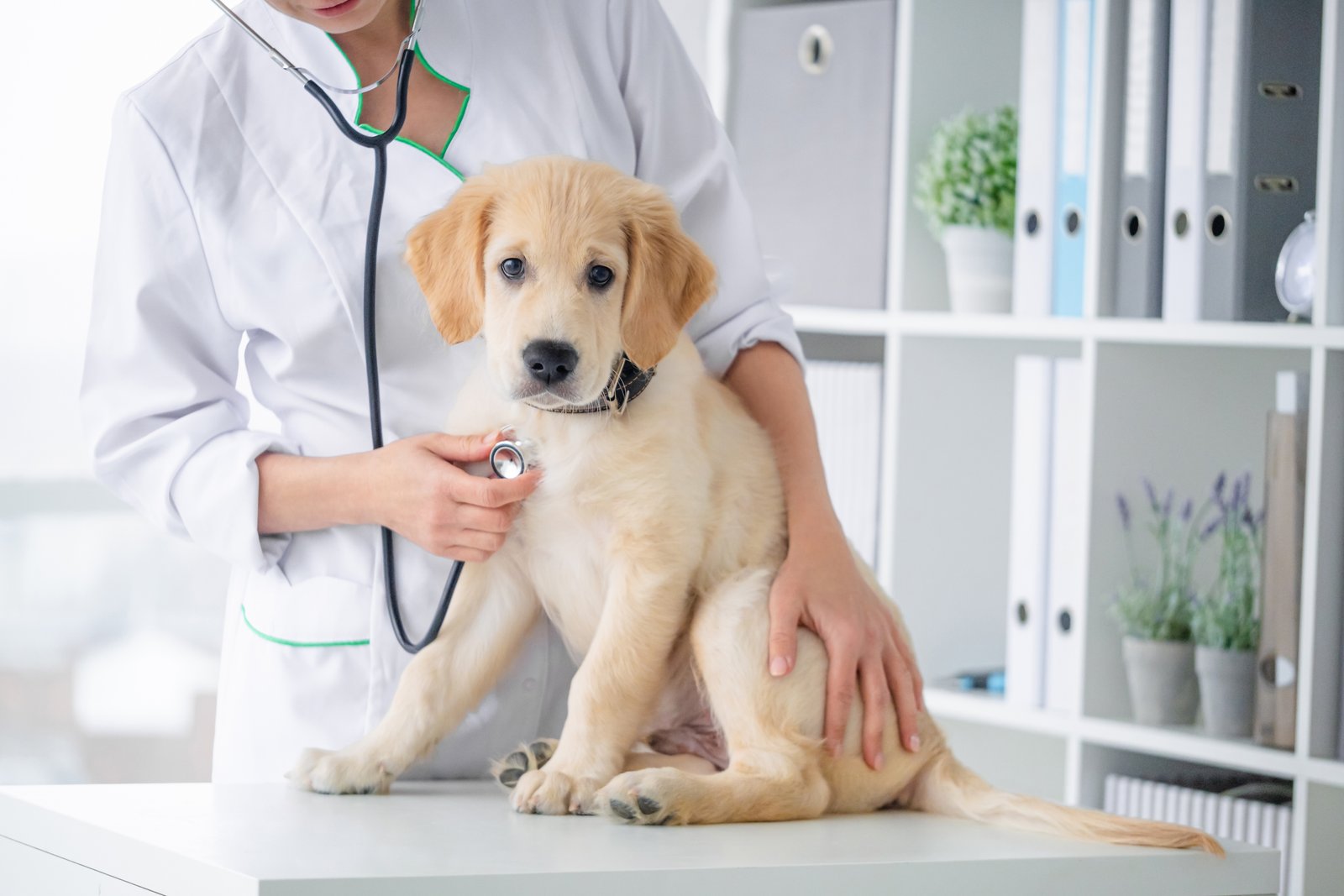
Diagnosis starts with a hands on orthopedic exam. We watch how a dog walks and stands, then gently manipulate the knee to check for the instability that signals a torn ligament. In many cases, this movement alone is enough to confirm what is going on inside the joint.
X-rays typically follow the physical exam, helping us evaluate the degree of joint inflammation, rule out other causes of lameness such as hip dysplasia or a fracture, and plan for surgery when it is needed. According to Colorado State University’s veterinary health system, cruciate ligament rupture is one of the most common causes of hind limb lameness in dogs and often leads to arthritis if left untreated, which is why an accurate, early diagnosis matters so much. We take the time to walk owners through the X-rays themselves, so the recommendation makes sense before any decisions are made.
Treatment and Recovery
Treatment Options
Treatment depends on a dog’s size, activity level, and the severity of the tear, but the goal is always the same, restoring stability to the knee and getting a pet back to a comfortable, active life. We build every treatment plan around the following key elements:
- Surgical stabilization: Procedures that realign or reinforce the knee joint to eliminate instability and slow the progression of arthritis.
- Pain management: Medication that keeps a dog comfortable while the joint heals.
- Rehabilitation therapy: Guided exercises that rebuild strength, balance, and range of motion after surgery.
- Weight management: Maintaining a healthy body weight to reduce ongoing stress on the joint.
Every one of these pieces works together, and skipping any of them can slow a dog’s return to normal activity.
What Recovery Looks Like
Recovery takes patience. Most dogs need several weeks of restricted activity, meaning leash walks only and no running, jumping, or rough play, while the joint heals. We recommend regular check-ins during this period so we can track healing and adjust the plan if anything looks off, and pairing surgery with steps like the ones in our tips for helping an arthritic dog can make a real difference in how well a dog moves months and years down the road, especially as they age into their senior years.
Fort Lauderdale Pet Owners Trust Bluewater Animal Health Center
Dr. Emerson’s approach is simple, he listens, and he gives clear answers. When a dog comes in limping, we take time to explain what we see, what the options are, and what to expect at every step, so families never feel lost during a stressful diagnosis. Our veterinary team has the experience to guide dogs through ACL injuries from that first appointment through full recovery, and we treat every case with the same care we would want for our own pets.
If your dog is limping, favoring a back leg, or just is not moving the way they used to, do not wait to have it checked out. Contact our office today to schedule an orthopedic evaluation for your dog.
